Industrial Institutions
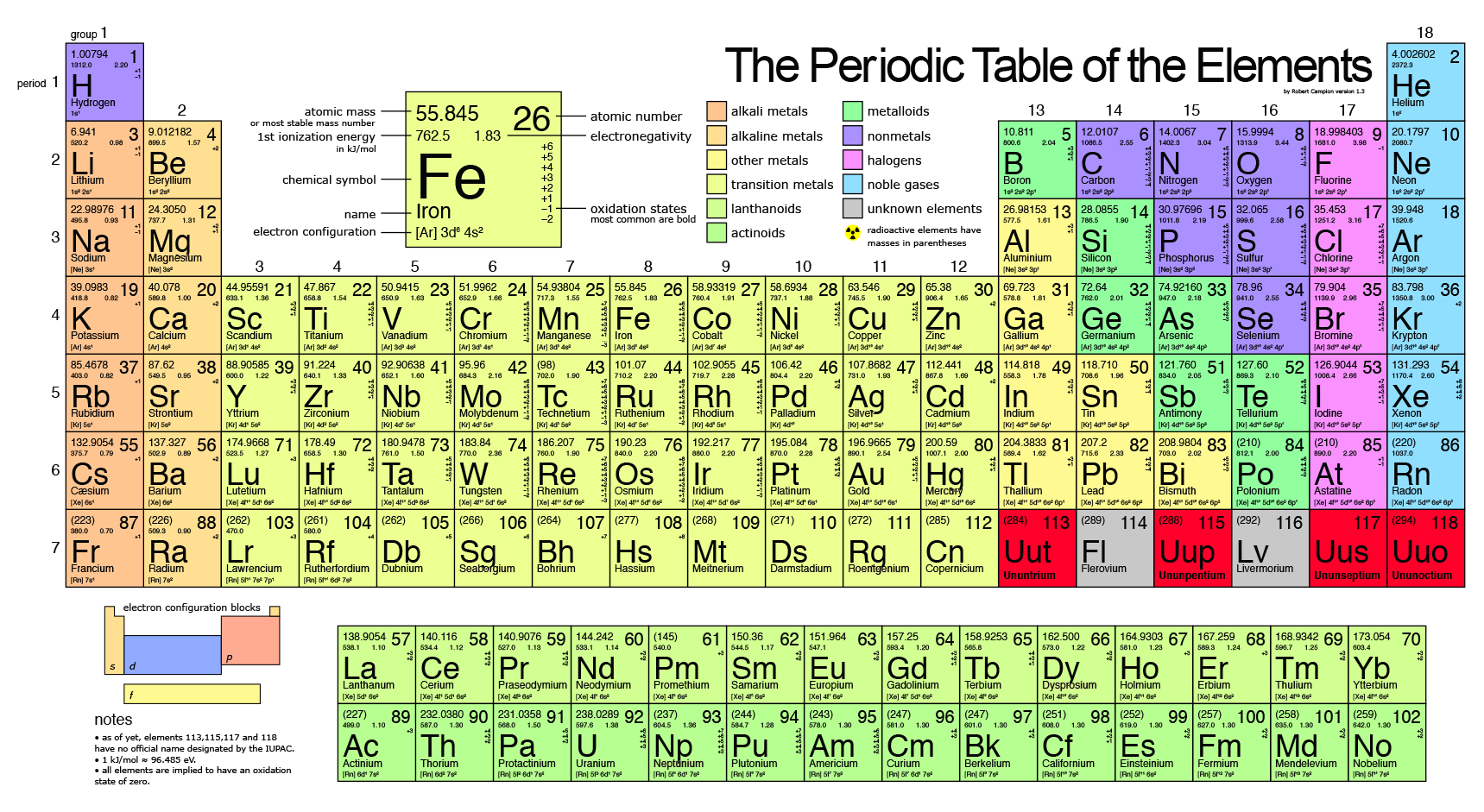
Midwest Microlab is an 100% United States Veteran Owned Company. Established in 1956, Midwest Microlab is equipped to provide rapid accurate organic analysis for Educational and Industrial Institutions while also providing service to 3rd Party Clients. Testing specialties include total percentage in Carbon, Hydrogen, Nitrogen, Bromine, Chlorine, Fluorine, Iodine, Oxygen, Phosphorus, and Sulfur. Additional services available include Air Sensitive \ Glove Box Handling on C,H,N and Oxygen for environmentally sensitive samples.
Offering CHN, Halogen and Non-Metal Testing
Industrial Institutions Additional Information
We offer Elemental Analysis for many different areas of research. Midwest Microlab has experience in organic analysis in the following areas:
- Coal analysis
- Pharmaceutical Research
- Agricultural chemicals
- Intermediates in chemical synthesis
- Resins
- Cosmetics
- Specialty chemicals
- Oceanography
- Paints and Sealants
- Polymer and Polymer Chemistry
- Custom organic synthesis
- Food Additives
- Industrial Products
- Energy Research
- Fertilizer
Techniques, Interferences and Sample Size
Procedural Techniques For CHN Testing
For more information on CHN Testing including Techniques, Interferences and Sample Size please refer to the following link: Carbon, Hydrogen, and Nitrogen.
Procedure Techniques For Halogen Testing
For more information on Halogen Testing including Techniques, Interferences and Sample Size please refer to the following link: Bromine, Chlorine, Fluorine, and Iodine
Procedure Techniques for Non-Metals Testing
For more information on Non-Metals Testing including Techniques, Interferences and Sample Size please refer to the following link: Oxygen, Phosphorus, and Sulfur
Additional Services
Vacuum Drying
Vacuum Drying is available for an additional fee, per hour for per sample, if the sample needs moisture removed prior to performing analysis. Requesting to heat a sample is vacuum drying in a temperature regulated oven. The oven is heated to the temp. requested on the submission form ( in *Celcius) with the lid off the sample and then vacuum sealing the oven door. A desiccant is located inside the oven, pulling the moisture from the sample. The vacuum drying is available for high temperature such as 110*C for a long period of time such as 2 hrs. or more. The oven increase of temp. and time for more moisture to be pulled works best for high water content samples or hygroscopic samples. Heating a sample is best for hygroscopic samples, not always best for fuel or oil type samples. Vacuum drying is available for air stable samples only, not an option for glove box handling/air sensitive samples. All samples requesting analysis must be in liquid or solid state of matter upon arrival, unable to perform analysis on a gas sample.
Results / Detection Limit
All samples must be in solid or liquid format, Midwest Microlab is not equipped to test samples in a gaseous state. Midwest Microlab does not handle or analyze samples that are poisonous or have radioactive elements within the samples. All analysis is reported in the total percentage found within the sample at Midwest Microlab. The results will be reported via email and found under the Results column of the submission forms received with the shipment. The minimum detection limit of C, H, or N is 1,500 ppm or 0.15%. The minimum detection limit for all other analyses performed at Midwest Microlab, including all halogens, is 4,000 ppm or 0.4%.
Air Sensitive / Glove Box Handling
For Air sensitive/ glove box handling samples only Carbon, Hydrogen, Nitrogen, and Oxygen are available to perform. All other analysis performed at Midwest Microlab, would expose the samples to the outside environment and alter results.
Oxygen PPM Level:
NOTE: this monitor rarely shows a zero count. Though we continually strive for the best results, no inert chamber can be absolutely free of oxygen and/or moisture. Samples are therefore weighed as quickly as possible under these conditions. Every effort is made to secure the best possible measurement of elements requested. Experience has shown that samples that are able to withstand 15 sec exposures at 40 ppm oxygen work very well.
Note from our Senior Chemist:
One of the biggest problems in the analysis of air-sensitive samples is the amount (size) of the individual samples submitted. Accuracy greatly declines when transferring less than 3 mg of material. We recommend sending a minimum of 5 mg per single analysis for air sensitive samples. Please recognize that powdery substances will almost always tend to adhere to glass vials and are not totally recoverable. The extremely dry atmosphere can also cause static to decrease the total transfer. A slight excess of sample is always preferable. We always try to obtain the most accurate results with what is sent. This is rarely achieved when sealing less than the necessary amount of material. Many pure substances yield poor results when combusting low sample weights. Please keep these ideas in mind when sealing up all samples for air-sensitive work. This is expensive and time consuming work. We strive to do our best in achieving accurate and precise measurements when processing your samples.
Air Sensitive Sample Shipment:
Small glass ampoules or compression sealed vials are the best ways to send air sensitive samples. This helps to eliminate any degradation in transit. Samples that are only slightly oxygen sensitive, can give good results when sealed tightly in screw cap vials. For these a second sealed outer vial should be included. Please do NOT have the vials sealed with wax, as wax will damage the gloves within the glove box. If samples are received with was sealant, the wax will be removed outside of the glovebox and possibly exposing the samples to outside environmental conditions. As with all analysis, samples MUST be highly purified or homogenous to achieve good results. Samples that are suspected to be heterogenous, not pure, should be requested to perform in duplicate analysis.
Purchase Order (PO#) / Personalized Quote
If sending from a university or a company that requires a PO listed on the Invoice for payment, a PO# must be made available to Midwest Microlab prior to sending the results of the sample shipment to the submitter. Delay in receiving results could be due to incomplete submission forms, missing purchase order (PO#) or payment information not received. For Invoice payment purposes, a hard copy of the PO#, if available, should be shipped with the samples for fastest turnaround time. If a PO# is not available prior to shipment, please send an email to info@midwestlab.com, with a PDF version of the PO#. If you need a personalized quote for the purpose of requesting a PO, please click on the following link: Midwest Microlab Personalized Quote.
Turnaround Time / Rush Services
Midwest Microlab operates by a first-in first-out service / FIFO. Most services provided at Midwest Microlab has a current turnaround time for approx. within 3-4 business days. Oxygen, Iodine and Phosphorus analysis is within 4-5 business day turnaround time due to procedure length of analysis. Rush analysis is available for all services provided at Midwest Microlab for an additional fee, per sample, per run, per analysis basis. Samples requesting Rush service will be processed ahead of all other samples received, including samples previously received prior to RUSH samples. CHN Rush services requested are within a 2-business day turnaround. Please note due to the length of the procedure Oxygen, Iodine and Phosphorus Rush is a 3-4 business day turnaround. Please note Midwest Microlab is closed on all Federal Holidays and weekends.
Shipment Information
The new submission forms are editable online: Midwest Microlab Submission Form. Please print and include 1 completed submission form PER sample in your shipment. The shipping address can be found below, which can also be found in the lower left-hand corner of the submission form. For air stable sample containers, we usually see 10 ml screw cap glass vials. Please include the submitter Theory Total % per element analysis requested and Molecular formula (list of elements) if known on the Midwest Microlab Submission Form. This information will provide critical details for the chemists to determine if there are possible interferences within the sample to perform analysis or if the sample needs additional additives for complete combustion.
You may send your samples to the following address:
Midwest Microlab
Attn: Receiving Dept.
7212 North Shadeland Ave.
Suite # 110
Indianapolis, IN 46250
Phone: (317) 849-6606
Email: info@midwestlab.com
Payment / Invoice Due Date
Invoices will be sent to the listed Invoice email address provided on the Midwest Microlab submission form within 7 business days of sending results to the submitter. Midwest Microlab accepts ACH/Direct Deposit, Check and Credit Card (Credit Card charges have an additional processing fee associated) for payment types. ALL services rendered at Midwest Microlab has payment due within, which can also be found on the Invoice under Due Date. net 30 days. Payment inquiries can be directed via the following methods: Midwest Microlab Phone #: 317-849-6606, Midwest Microlab Fax #: 317-849-8534 or Midwest Microlab Email: info@midwestlab.com. Results may not be sent to the submitter until payment information or copy of the Purchase Order Number has been provided to Midwest Microlab finance department.
Credit Card Payment Procedure
The Credit Card authorization Form can be found on the following link: FORMS section. Please return via Email: info@midwestlab.com, sent with sample shipment requesting analysis, Midwest Microlab Fax #: 317-849-8534, or calling Midwest Microlab Office #: 317-849-6606 between office hrs. from 9 am – 3 pm EST. Please note there is an additional Credit Card processing fee that will be added to the Invoice. A Paid in Full receipt will be sent directly after the Credit Card is charged to the listed Invoice email provided. Midwest Microlab does not charge the credit card until after services are rendered and will only be charged for the services provided.
If you have any follow up questions for me or for our chemists on staff, just let us know. We look forward to receiving your samples and providing service.
FAQ
Are there any specific types of samples that you do not handle?
Yes, due to the health and safety of personnel, we do NOT handle any compounds containing Osmium, Non-Depleted Uranium, or Thallium.. We do not handle any Finished Pharmaceuticals for release or highly volatile liquid samples with boiling points of less than 40 deg C.
Do you perform organic trace analysis?
For CHN analysis, our Lowest Detection Limit is 0.15% (1,500 ppm). For all other analysis types offered, the lowest detectable percentage is 0.4% (4000 ppm)
|
% expected Per Single Run |
%Br | %Cl | %F | %I | %O | %P | %S |
| 0-5% | 15mg | 30mg | 25mg | 15mg | 20mg | 15mg | 30mg |
| 6-20% | 10mg | 15mg | 20mg | 10mg | 15mg | 10mg | 25mg |
| Above 20% | 5 mg | 10mg | 15mg | 5mg | 10mg | 5mg | 10mg |
For air stable samples requesting C,H, N or any combination, with a 0-100% theory, is a minimum of 3 mg per single run. For Air Sensitive/ Glove Box handling requesting C,H, N or any combination, with a 0-100% theory, is a minimum of 5 mg per single run.
Example A: If requesting multiple analysis on a sample such as CHN, S air stable where
CHN = 5mg
S (6-20% theory )= 25mg
Total to submit for CHN,S = 30 mg per single run
Example B: If requesting Duplicate analysis of CHN,S air stable where:
CHN = 10mg
S (6-20% theory )= 50mg
Total to submit for CHN,S = 60 mg per duplicate run
Get Started
Connect with
Midwest Microlab
Email Us
info@midwestlab.com
OFfice
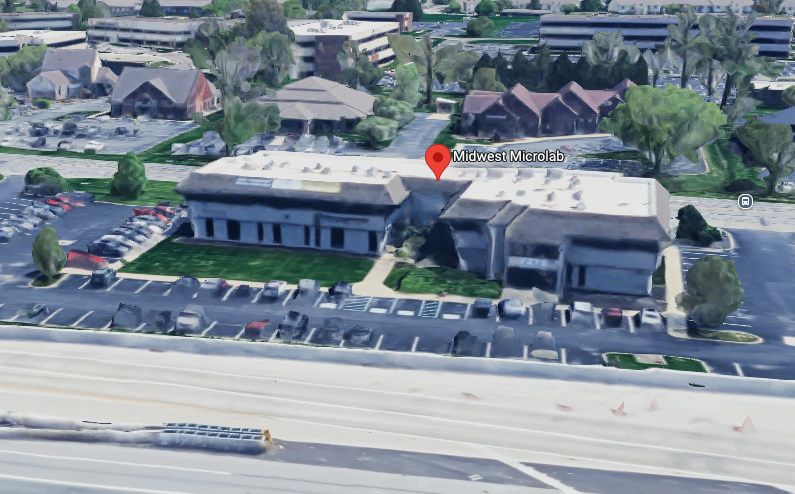
7212 North Shadeland Ave
Suite #110
Indianapolis, IN 46250
Office Number: (317) 849-6606
Fax Number: (317) 849-8534
Monday - Friday
9am - 5pm